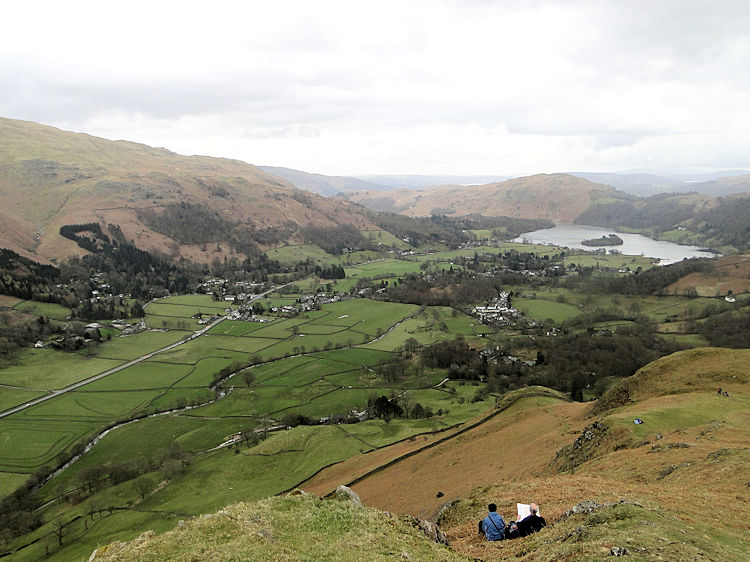
The Greenburn Round from Grasmere is one of the Lake District's finest rounds of less prominent mountains. Featuring Steel Fell, Calf Crag, Gibson Knott, and the famous pinnacle of Helm Crag, this route delivers exceptional views and diverse terrain.
Summary: The Greenburn Round, a popular walk from Grasmere, is one of the Lake District's finest rounds of less prominent mountains. Helm Crag is clearly the best-known summit with its distinctive Lion and Lamb / Howitzer rock formations, but Steel Fell, Calf Crag, and Gibson Knott each possess wonderful individual character and superb ridge walking.
The Walk Report
This walk is one of the adventurous stayers in Grasmere, taking walkers to the famous pinnacle of Helm Crag, home to the rock formation known as the Lion and Lamb (or alternatively the Howitzer). Most visitors head straight for Helm Crag without completing the full round, but in doing so they miss out on a walk of diversifying beauty.
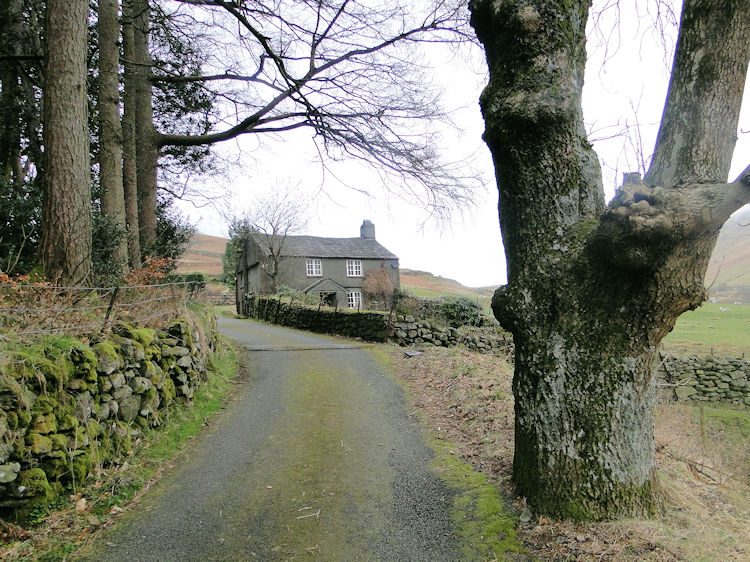
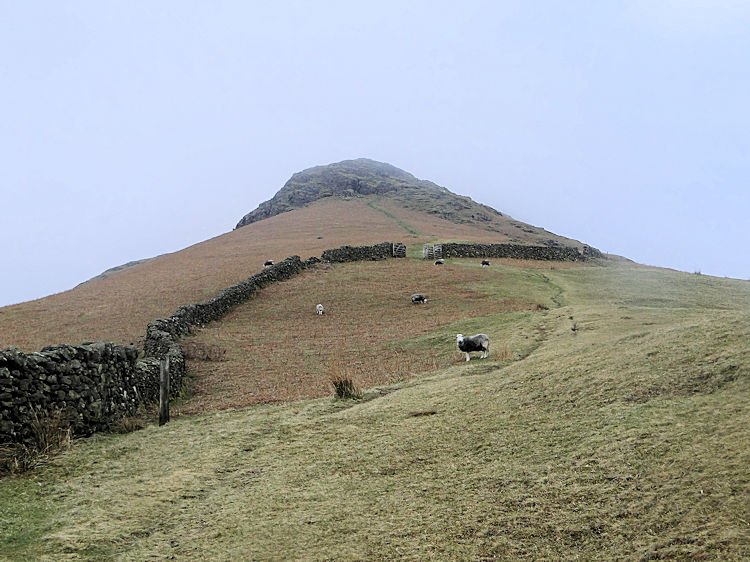
The route starts ingloriously with a quiet flat road walk out of Grasmere to Helmside—just over a mile of tarmac. Once through the gate at Helmside, you step onto lovely grassy fellside heading upward. Resisting the temptation to drop into Greenburn Bottom, you follow a track alongside a stone wall through a gate onto the true ascent of Steel Fell. The next mile and a half is a tough slog gaining 450 metres of height, but the rewards are immense!
Cottage at HelmsideThe climb from Helmside to Steel Fell
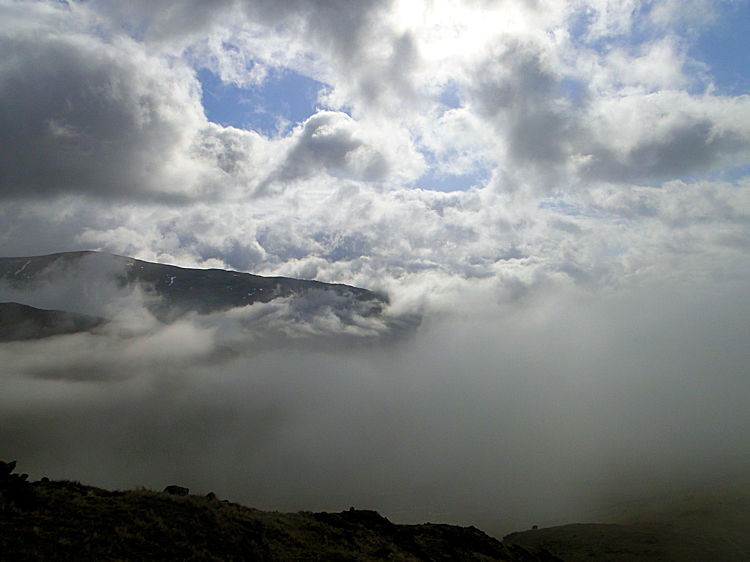
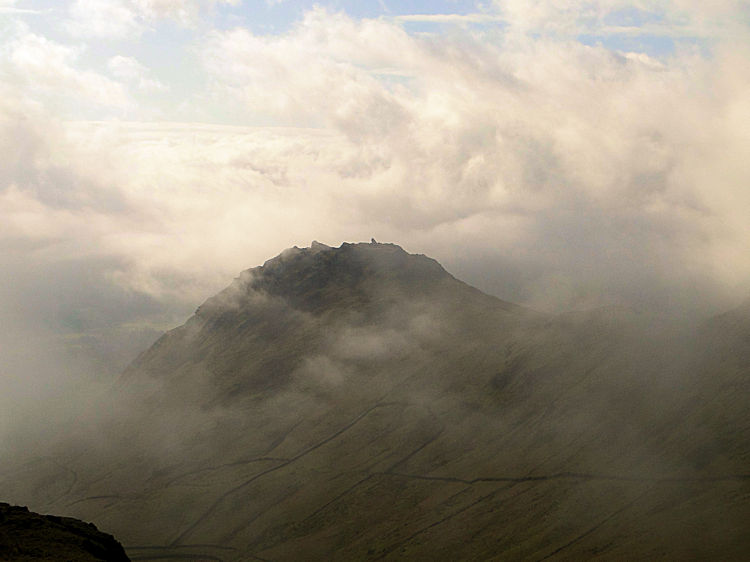
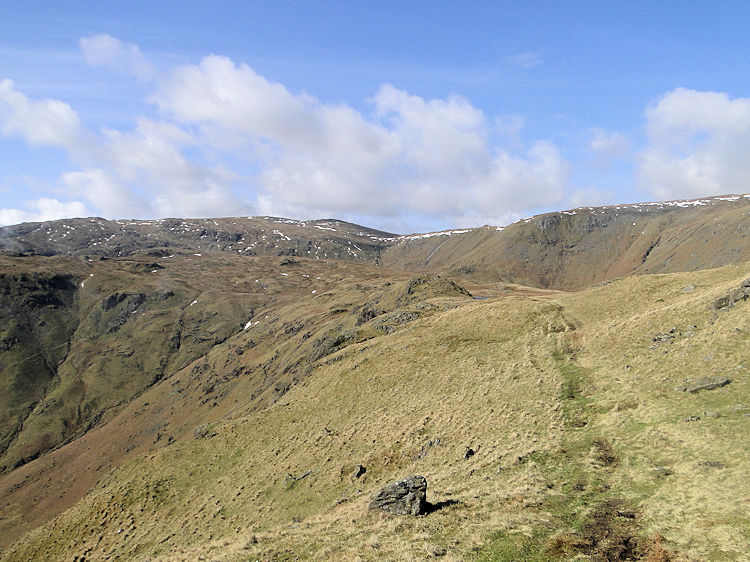
Reaching Cotra Breast at around 350 metres, the early morning mists lifted swiftly. The surrounding fells constantly shifted appearance as swirling clouds parted to reveal clear skies and ever-changing vistas across Dunmail Raise toward Seat Sandal, Dollywaggon Pike, and Nethermost Pike. It was a heavenly performance that joyfully interrupted the climb.
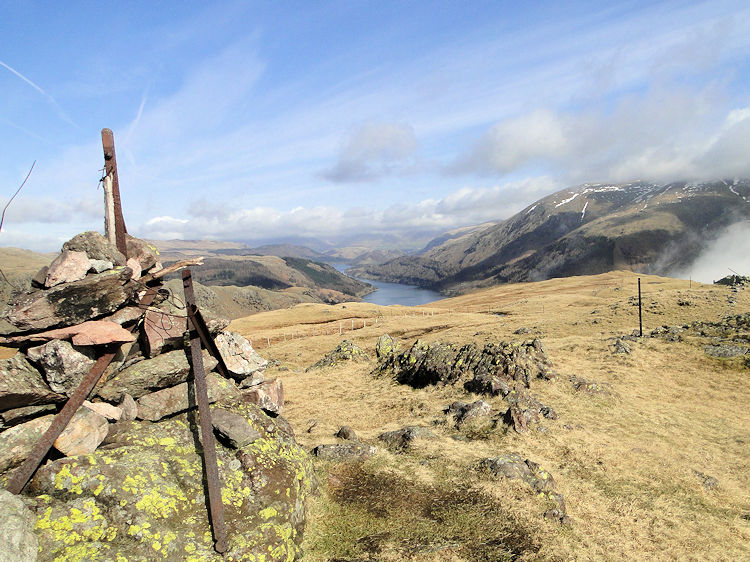
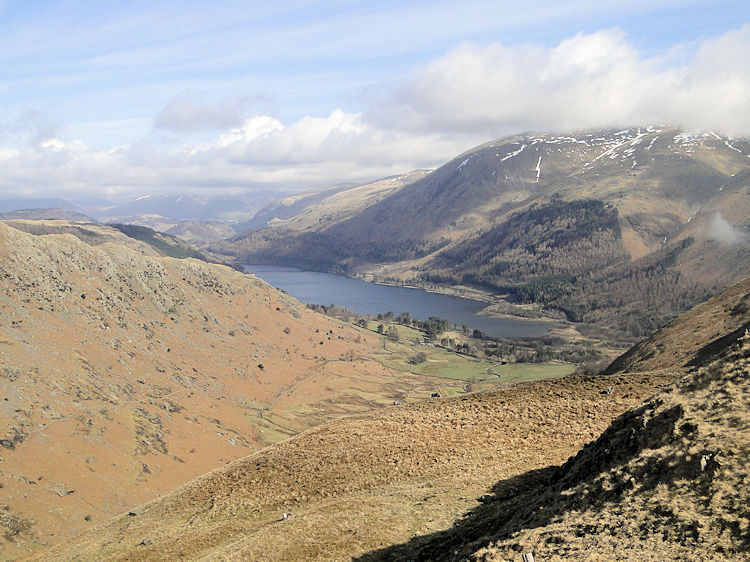
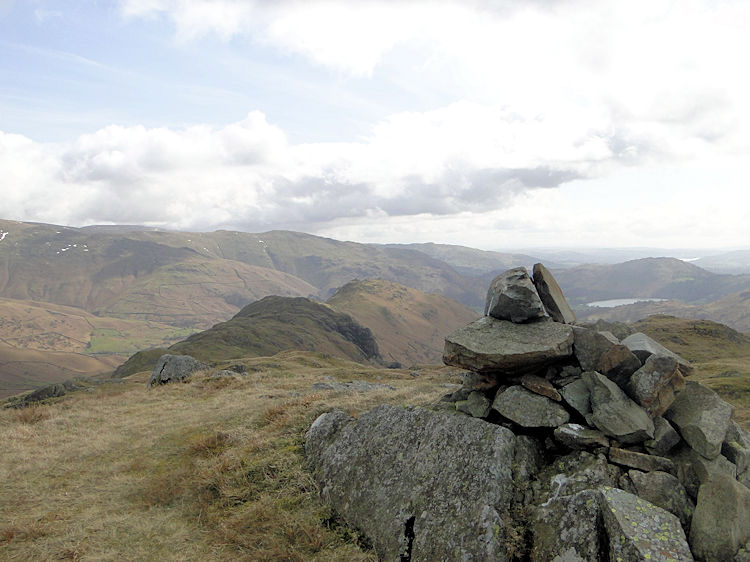
Wainwright described Steel Fell's summit as "a heap of heavy red stones forms a colourful cairn... several small tarns lie around like an untidy and unattractive necklace." While the colourful cairn is accurate, I disagreed with his dismissal of the tarns—their random scattering adds great charm. Better still was the brilliant view just north of the cairn looking straight down Thirlmere reservoir toward Skiddaw and Blencathra.
Cloud lifting from Dunmail RaiseHelm Crag appears out of the mist
Reaching the top of Steel FellThe summit of Steel Fell
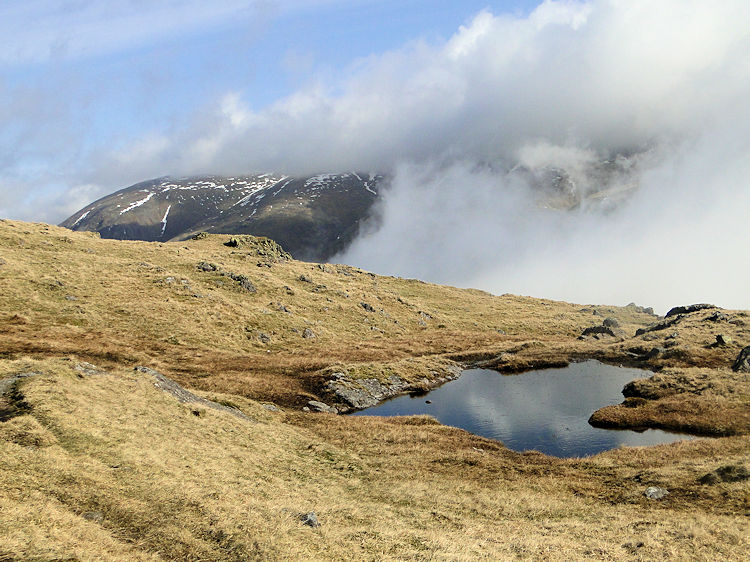
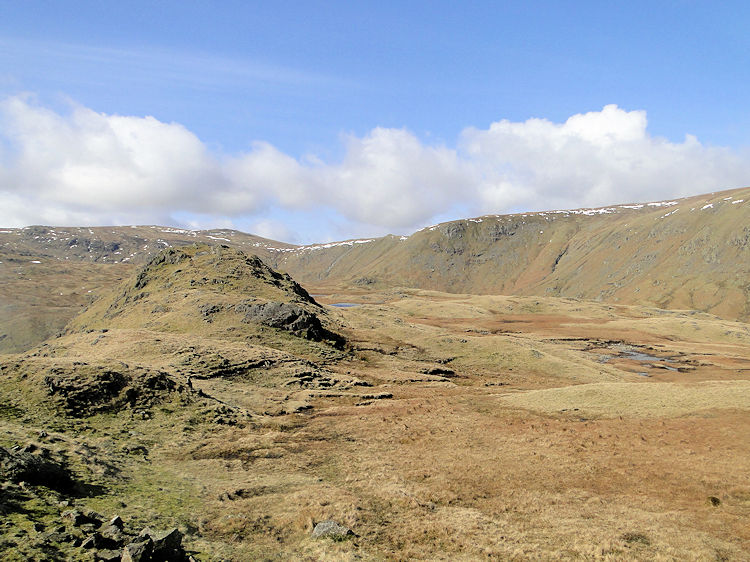
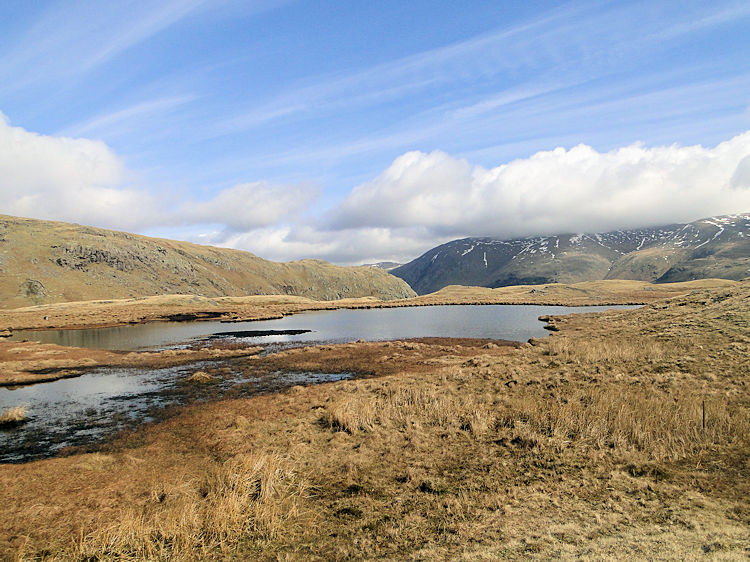
From Steel Fell, the target was Calf Crag. Wainwright described this intervening ground as "a supreme study in desolation... The Bog, with a capital T and B, is the official name of this morass." However, on a fair day, this section is a splendid walk through fascinating terrain featuring craggy outcrops, varied tarns, and panoramic mountain views.
While the final section across Brownrigg Moss does get boggy, metaled posts keep you safely on track. Keeping dry in my trusty Meindl boots, I rose unscathed to reach Calf Crag for a well-earned break.
Thirlmere seen from Steel FellThe path to Brownrigg Moss
Not Wainwright's favourite place but I loved itOne of the small tarns at Brownrigg Moss
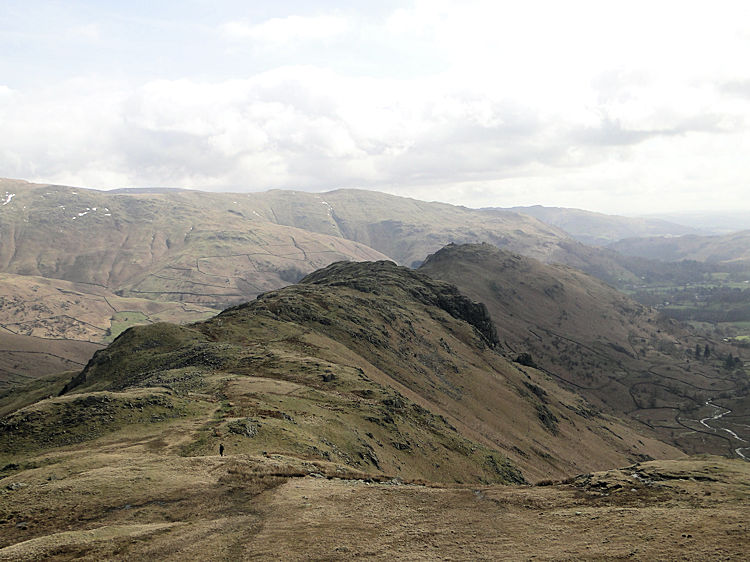
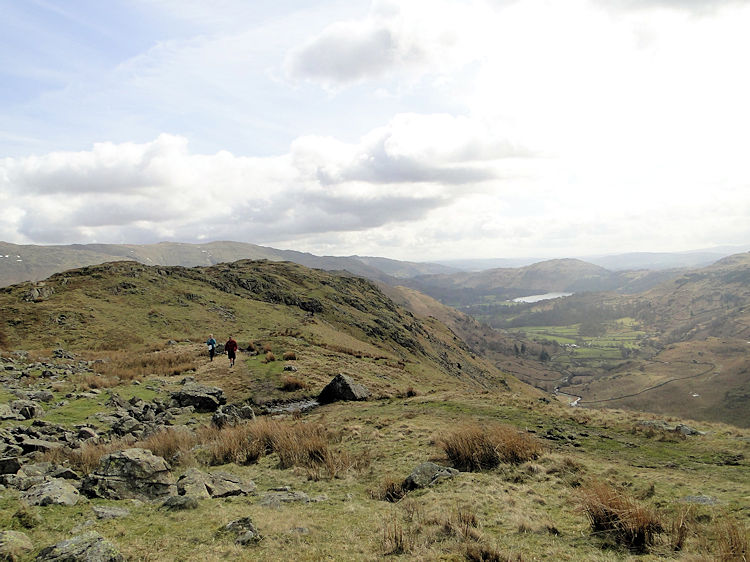
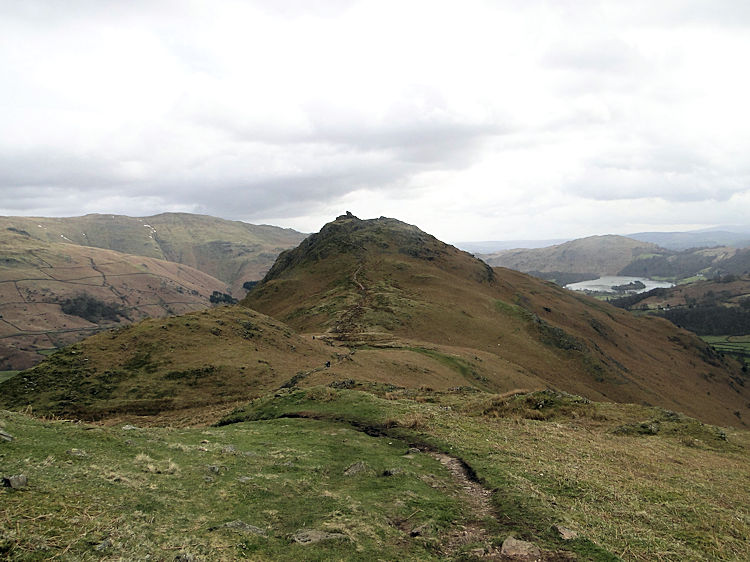
From Calf Crag, the ridge route toward Gibson Knott and Helm Crag was laid out clearly ahead, with the distinct shape of the Lion and Lamb acting as a natural beacon. The ridge offers delightful changes in terrain, transitioning from grassy levels to rocky rises and craggy tops.
Gibson Knott marks the highest point on the mile-long crest linking Calf Crag to Helm Crag. Descending from Gibson Knott and negotiating a brief final ascent brought me up onto the summit of Helm Crag.
Calf CragThe long ridge to Helm Crag
Approaching Gibson KnottHelm Crag from Gibson Knott
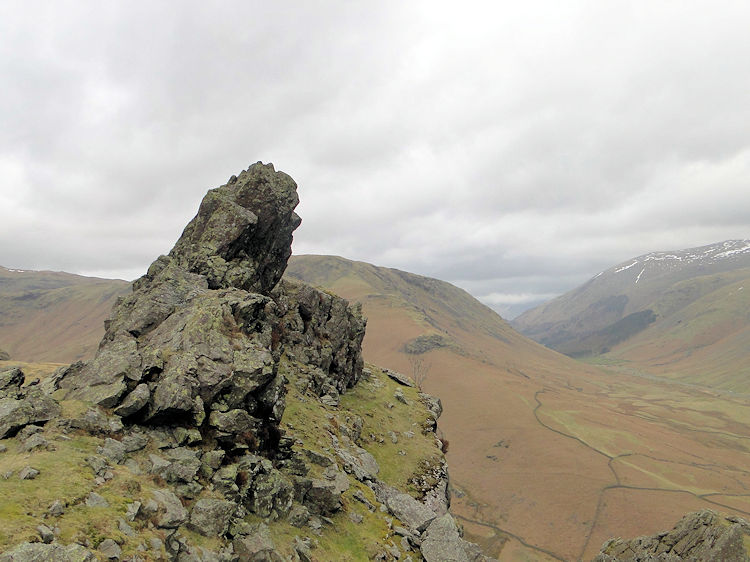
Helm Crag is one of the most famous Lakeland fells, drawing pilgrims since Victorian times. I studied the unique rock formation of the Howitzer awhile before descending via White Crag and Lancrigg back to Grasmere. While the famous finish is wonderful, the true highlights for me were the fantastic beginning and middle sections ascending Steel Fell and crossing to Calf Crag.
The Howitzer on Helm CragView to Grasmere from Helm Crag